Our Impact
Our Impact
Reimagining education to prepare young people for a changing world.
Since 2002, we’ve helped schools reimagine learning for a connected world.

Real-World Learning. Measurable Change.
World Savvy partners with educators, leaders, and communities to transform teaching and learning so students develop the skills needed to navigate an increasingly complex world.
World Savvy partners with educators, leaders, and communities to transform teaching and learning so students develop the skills needed to navigate an increasingly complex world.
Education today is under growing pressure to prepare young people for a rapidly changing future, especially in the Age of AI. Yet too often, academic learning remains disconnected from real-life challenges and the durable skills students need to thrive. By strengthening educator practice and school systems, World Savvy helps create classrooms where learning is relevant, inquiry-driven, and connected to the world beyond school.
Education today is under growing pressure to prepare young people for a rapidly changing future, especially in the Age of AI. Yet too often, academic learning remains disconnected from real-life challenges and the durable skills students need to thrive. By strengthening educator practice and school systems, World Savvy helps create classrooms where learning is relevant, inquiry-driven, and connected to the world beyond school.
Impact Snapshot
Where meaningful change begins
Our approach includes:
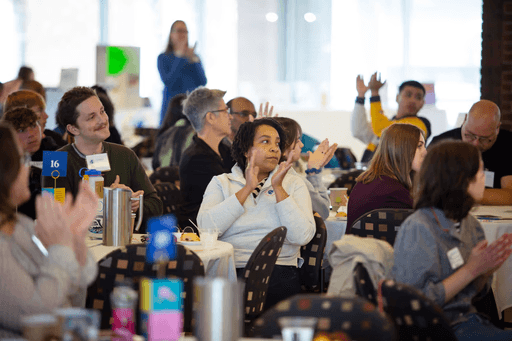
80% Teachers report impactful coaching
80% of teachers report receiving impactful individualized coaching -- nearly double the national average.
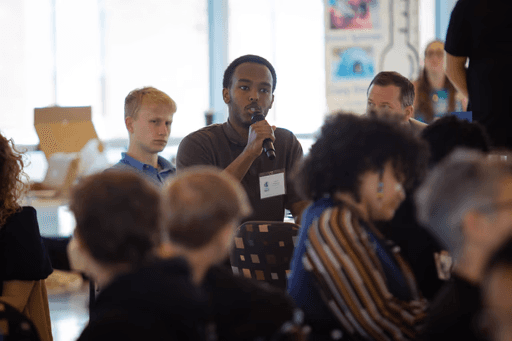
67% Teachers use structured reflection practices
67% of educators regularly use reflection and feedback routines - 27% above the U.S. average, placing them among the highest adopters nationwide.
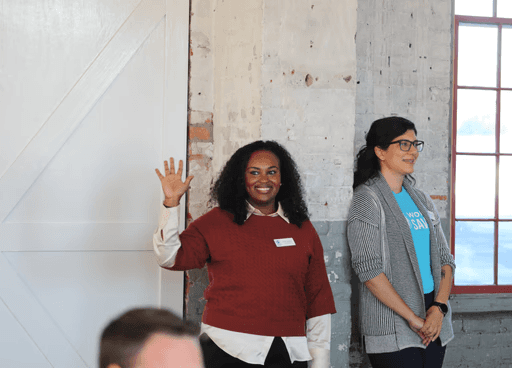
Student participation in real-world learning
Students report 30% engagement in real-world learning - 8% above the Competency Based Education benchmark, signaling deeper, more meaningful learning.
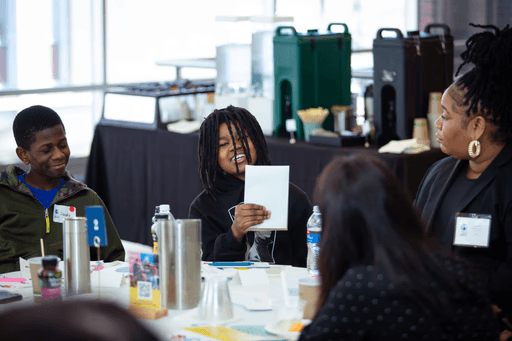
Stronger collaboration & belonging
Students report stronger collaboration, empathy, and belonging in classrooms that emphasize teamwork and shared problem-solving.
Impact & Reach
Transformation that begins in classrooms and ripples through communities.
World Savvy partners with schools and districts nationwide, anchored in deep partnerships in Minnesota and growing regional impact in California, New York, and Michigan.
Since Our Founding
922,000+ Students
7,400 Educators
45 U.S. States
32 Countries
A growing network of educators and communities preparing students for an interconnected world.
FY25 Impact
40 Districts
51 Schools
500+ Educators
10,000+ Students
Supporting real-world learning experiences.

Educator Impact
Lasting student impact begins with adult practice
Sustainable change in student learning begins with the educators and leaders who shape classroom experiences every day. World Savvy partnerships focus on strengthening instructional practice through coaching, collaboration, and professional learning.
Sustainable change in student learning begins with the educators and leaders who shape classroom experiences every day. World Savvy partnerships focus on strengthening instructional practice through coaching, collaboration, and professional learning.
Across our partner schools, educators are significantly more likely to adopt reflective and inquiry-driven practices that support durable skill development.
Across our partner schools, educators are significantly more likely to adopt reflective and inquiry-driven practices that support durable skill development.
Reflection & Feedback Practices
Reflection & Feedback Practices
World Savvy
World Savvy
67%
National
National
40%
Teacher-reported Growth from Coaching
Teacher-reported Growth from Coaching
World Savvy
World Savvy
80%
National
National
45%
Real-World Inquiry Projects
Real-World Inquiry Projects
World Savvy
World Savvy
30%
National
National
8%
These shifts in educator practice help create classrooms where students ask deeper questions, explore complex issues, and connect learning to the world beyond school.
These shifts in educator practice help create classrooms where students ask deeper questions, explore complex issues, and connect learning to the world beyond school.
Source: FY25 Annual Report
Source: FY25 Annual Report

Student Experience
When adult practice shifts, students feel it
As teaching practices evolve, classroom experiences change as well. In World Savvy partner classrooms, students engage more deeply in learning that connects academic content to real-world challenges.
As teaching practices evolve, classroom experiences change as well. In World Savvy partner classrooms, students engage more deeply in learning that connects academic content to real-world challenges.
Students report 30% engagement in real-world learning - 8% above the Competency Based Education benchmark, signaling deeper, more meaningful learning.
Students report 30% engagement in real-world learning - 8% above the Competency Based Education benchmark, signaling deeper, more meaningful learning.

Critical Thinking
Students analyze complex issues and ask deeper questions.

Collaboration
Students work together to solve meaningful problems and share ideas.

Civic Engagement
Students connect learning to community issues and contribute to solutions.

Adaptability
Students learn to navigate uncertainty and approach problems creatively.
Students report stronger growth in collaboration and teamwork, along with higher levels of empathy, belonging, and teacher care.
Students report stronger growth in collaboration and teamwork, along with higher levels of empathy, belonging, and teacher care.
The impact is visible not only in data, but in classrooms where students ask deeper questions, design solutions to local challenges, and see their learning as connected to the world beyond school.
The impact is visible not only in data, but in classrooms where students ask deeper questions, design solutions to local challenges, and see their learning as connected to the world beyond school.
Our Theory of Change
Measuring what matters
Adult Practice
Classroom Experience
Durable Skills
System Change
Because systemic change takes time, we are continuing to expand our research through:
Longitudinal tracking of student outcomes
Stronger comparative national analysis
Deeper research partnerships to understand long-term systems impact
We remain committed to transparency, continuous improvement, and learning alongside our partners.
Learning in Action
Across schools and communities, students are applying academic learning to real-world challenges. These examples show what learning looks like when students lead, educators support, and communities engage.
Across schools and communities, students are applying academic learning to real-world challenges. These examples show what learning looks like when students lead, educators support, and communities engage.
Across schools and communities, students are applying academic learning to real-world challenges. These examples show what learning looks like when students lead, educators support, and communities engage.
Students Redesign an Inclusive Playground
Ella Baker School · 4th Grade
When students realized their playground wasn’t accessible to all classmates, they stepped in. Through research, interviews, and design, they reimagined the space to be inclusive and welcoming for everyone. The project sparked broader conversations and led to plans for a community garden serving the surrounding neighborhood.
One student idea sparked a culture of community-led change.
Students Reimagine Mental Health Support
Rural Michigan · Middle School
Students worked alongside educators and families to examine gaps in their school’s mental health programming. They gathered data, listened deeply, and proposed thoughtful changes grounded in real needs. Teachers didn’t direct the work — they created space for students to lead and turn ideas into action.
When students lead, schools listen.
Questioning the Purpose of School — Together
Wayne Finger Lakes · District-wide Changemaker Hub
Students, educators, and community members from eight schools came together to ask big questions: What is school for? Who does it serve? How must it evolve? Rather than offering answers, educators stayed in dialogue with students, helping turn inquiry into pathways for action.
Reimagining education from the inside out.
Designing for Belonging Through Community Inquiry
Rural Michigan · Middle School
Students explored how physical spaces shape belonging. Through interviews, observation, and collaborative design, they identified barriers and proposed solutions that centered inclusion and accessibility. Their work connected academic learning to empathy, problem-solving, and real community impact.
Belonging isn’t taught — it’s designed together.
From Classroom Learning to Civic Action
Urban District · Upper Elementary
Students examined local challenges affecting their community and applied academic skills to propose real solutions. They researched, debated, collaborated, and presented ideas to local stakeholders. Learning moved beyond the classroom and into meaningful civic engagement.
Learning that prepares students to participate — not just perform.
Students Redesign an Inclusive Playground
Ella Baker School · 4th Grade
When students realized their playground wasn’t accessible to all classmates, they stepped in. Through research, interviews, and design, they reimagined the space to be inclusive and welcoming for everyone. The project sparked broader conversations and led to plans for a community garden serving the surrounding neighborhood.
One student idea sparked a culture of community-led change.
Students Reimagine Mental Health Support
Rural Michigan · Middle School
Students worked alongside educators and families to examine gaps in their school’s mental health programming. They gathered data, listened deeply, and proposed thoughtful changes grounded in real needs. Teachers didn’t direct the work — they created space for students to lead and turn ideas into action.
When students lead, schools listen.
Questioning the Purpose of School — Together
Wayne Finger Lakes · District-wide Changemaker Hub
Students, educators, and community members from eight schools came together to ask big questions: What is school for? Who does it serve? How must it evolve? Rather than offering answers, educators stayed in dialogue with students, helping turn inquiry into pathways for action.
Reimagining education from the inside out.
Designing for Belonging Through Community Inquiry
Rural Michigan · Middle School
Students explored how physical spaces shape belonging. Through interviews, observation, and collaborative design, they identified barriers and proposed solutions that centered inclusion and accessibility. Their work connected academic learning to empathy, problem-solving, and real community impact.
Belonging isn’t taught — it’s designed together.
From Classroom Learning to Civic Action
Urban District · Upper Elementary
Students examined local challenges affecting their community and applied academic skills to propose real solutions. They researched, debated, collaborated, and presented ideas to local stakeholders. Learning moved beyond the classroom and into meaningful civic engagement.
Learning that prepares students to participate — not just perform.
Students Redesign an Inclusive Playground
Ella Baker School · 4th Grade
When students realized their playground wasn’t accessible to all classmates, they stepped in. Through research, interviews, and design, they reimagined the space to be inclusive and welcoming for everyone. The project sparked broader conversations and led to plans for a community garden serving the surrounding neighborhood.
One student idea sparked a culture of community-led change.
Students Reimagine Mental Health Support
Rural Michigan · Middle School
Students worked alongside educators and families to examine gaps in their school’s mental health programming. They gathered data, listened deeply, and proposed thoughtful changes grounded in real needs. Teachers didn’t direct the work — they created space for students to lead and turn ideas into action.
When students lead, schools listen.
Questioning the Purpose of School — Together
Wayne Finger Lakes · District-wide Changemaker Hub
Students, educators, and community members from eight schools came together to ask big questions: What is school for? Who does it serve? How must it evolve? Rather than offering answers, educators stayed in dialogue with students, helping turn inquiry into pathways for action.
Reimagining education from the inside out.
Designing for Belonging Through Community Inquiry
Rural Michigan · Middle School
Students explored how physical spaces shape belonging. Through interviews, observation, and collaborative design, they identified barriers and proposed solutions that centered inclusion and accessibility. Their work connected academic learning to empathy, problem-solving, and real community impact.
Belonging isn’t taught — it’s designed together.
From Classroom Learning to Civic Action
Urban District · Upper Elementary
Students examined local challenges affecting their community and applied academic skills to propose real solutions. They researched, debated, collaborated, and presented ideas to local stakeholders. Learning moved beyond the classroom and into meaningful civic engagement.
Learning that prepares students to participate — not just perform.
Students Redesign an Inclusive Playground
Ella Baker School · 4th Grade
When students realized their playground wasn’t accessible to all classmates, they stepped in. Through research, interviews, and design, they reimagined the space to be inclusive and welcoming for everyone. The project sparked broader conversations and led to plans for a community garden serving the surrounding neighborhood.
One student idea sparked a culture of community-led change.
Students Reimagine Mental Health Support
Rural Michigan · Middle School
Students worked alongside educators and families to examine gaps in their school’s mental health programming. They gathered data, listened deeply, and proposed thoughtful changes grounded in real needs. Teachers didn’t direct the work — they created space for students to lead and turn ideas into action.
When students lead, schools listen.
Questioning the Purpose of School — Together
Wayne Finger Lakes · District-wide Changemaker Hub
Students, educators, and community members from eight schools came together to ask big questions: What is school for? Who does it serve? How must it evolve? Rather than offering answers, educators stayed in dialogue with students, helping turn inquiry into pathways for action.
Reimagining education from the inside out.
Designing for Belonging Through Community Inquiry
Rural Michigan · Middle School
Students explored how physical spaces shape belonging. Through interviews, observation, and collaborative design, they identified barriers and proposed solutions that centered inclusion and accessibility. Their work connected academic learning to empathy, problem-solving, and real community impact.
Belonging isn’t taught — it’s designed together.
From Classroom Learning to Civic Action
Urban District · Upper Elementary
Students examined local challenges affecting their community and applied academic skills to propose real solutions. They researched, debated, collaborated, and presented ideas to local stakeholders. Learning moved beyond the classroom and into meaningful civic engagement.
Learning that prepares students to participate — not just perform.
Students Redesign an Inclusive Playground
Ella Baker School · 4th Grade
When students realized their playground wasn’t accessible to all classmates, they stepped in. Through research, interviews, and design, they reimagined the space to be inclusive and welcoming for everyone. The project sparked broader conversations and led to plans for a community garden serving the surrounding neighborhood.
One student idea sparked a culture of community-led change.
Students Reimagine Mental Health Support
Rural Michigan · Middle School
Students worked alongside educators and families to examine gaps in their school’s mental health programming. They gathered data, listened deeply, and proposed thoughtful changes grounded in real needs. Teachers didn’t direct the work — they created space for students to lead and turn ideas into action.
When students lead, schools listen.
Questioning the Purpose of School — Together
Wayne Finger Lakes · District-wide Changemaker Hub
Students, educators, and community members from eight schools came together to ask big questions: What is school for? Who does it serve? How must it evolve? Rather than offering answers, educators stayed in dialogue with students, helping turn inquiry into pathways for action.
Reimagining education from the inside out.
Designing for Belonging Through Community Inquiry
Rural Michigan · Middle School
Students explored how physical spaces shape belonging. Through interviews, observation, and collaborative design, they identified barriers and proposed solutions that centered inclusion and accessibility. Their work connected academic learning to empathy, problem-solving, and real community impact.
Belonging isn’t taught — it’s designed together.
From Classroom Learning to Civic Action
Urban District · Upper Elementary
Students examined local challenges affecting their community and applied academic skills to propose real solutions. They researched, debated, collaborated, and presented ideas to local stakeholders. Learning moved beyond the classroom and into meaningful civic engagement.
Learning that prepares students to participate — not just perform.
Students Redesign an Inclusive Playground
Ella Baker School · 4th Grade
When students realized their playground wasn’t accessible to all classmates, they stepped in. Through research, interviews, and design, they reimagined the space to be inclusive and welcoming for everyone. The project sparked broader conversations and led to plans for a community garden serving the surrounding neighborhood.
One student idea sparked a culture of community-led change.
Students Reimagine Mental Health Support
Rural Michigan · Middle School
Students worked alongside educators and families to examine gaps in their school’s mental health programming. They gathered data, listened deeply, and proposed thoughtful changes grounded in real needs. Teachers didn’t direct the work — they created space for students to lead and turn ideas into action.
When students lead, schools listen.
Questioning the Purpose of School — Together
Wayne Finger Lakes · District-wide Changemaker Hub
Students, educators, and community members from eight schools came together to ask big questions: What is school for? Who does it serve? How must it evolve? Rather than offering answers, educators stayed in dialogue with students, helping turn inquiry into pathways for action.
Reimagining education from the inside out.
Designing for Belonging Through Community Inquiry
Rural Michigan · Middle School
Students explored how physical spaces shape belonging. Through interviews, observation, and collaborative design, they identified barriers and proposed solutions that centered inclusion and accessibility. Their work connected academic learning to empathy, problem-solving, and real community impact.
Belonging isn’t taught — it’s designed together.
From Classroom Learning to Civic Action
Urban District · Upper Elementary
Students examined local challenges affecting their community and applied academic skills to propose real solutions. They researched, debated, collaborated, and presented ideas to local stakeholders. Learning moved beyond the classroom and into meaningful civic engagement.
Learning that prepares students to participate — not just perform.
Students Redesign an Inclusive Playground
Ella Baker School · 4th Grade
When students realized their playground wasn’t accessible to all classmates, they stepped in. Through research, interviews, and design, they reimagined the space to be inclusive and welcoming for everyone. The project sparked broader conversations and led to plans for a community garden serving the surrounding neighborhood.
One student idea sparked a culture of community-led change.
Students Reimagine Mental Health Support
Rural Michigan · Middle School
Students worked alongside educators and families to examine gaps in their school’s mental health programming. They gathered data, listened deeply, and proposed thoughtful changes grounded in real needs. Teachers didn’t direct the work — they created space for students to lead and turn ideas into action.
When students lead, schools listen.
Questioning the Purpose of School — Together
Wayne Finger Lakes · District-wide Changemaker Hub
Students, educators, and community members from eight schools came together to ask big questions: What is school for? Who does it serve? How must it evolve? Rather than offering answers, educators stayed in dialogue with students, helping turn inquiry into pathways for action.
Reimagining education from the inside out.
Designing for Belonging Through Community Inquiry
Rural Michigan · Middle School
Students explored how physical spaces shape belonging. Through interviews, observation, and collaborative design, they identified barriers and proposed solutions that centered inclusion and accessibility. Their work connected academic learning to empathy, problem-solving, and real community impact.
Belonging isn’t taught — it’s designed together.
From Classroom Learning to Civic Action
Urban District · Upper Elementary
Students examined local challenges affecting their community and applied academic skills to propose real solutions. They researched, debated, collaborated, and presented ideas to local stakeholders. Learning moved beyond the classroom and into meaningful civic engagement.
Learning that prepares students to participate — not just perform.
Students Redesign an Inclusive Playground
Ella Baker School · 4th Grade
When students realized their playground wasn’t accessible to all classmates, they stepped in. Through research, interviews, and design, they reimagined the space to be inclusive and welcoming for everyone. The project sparked broader conversations and led to plans for a community garden serving the surrounding neighborhood.
One student idea sparked a culture of community-led change.
Students Reimagine Mental Health Support
Rural Michigan · Middle School
Students worked alongside educators and families to examine gaps in their school’s mental health programming. They gathered data, listened deeply, and proposed thoughtful changes grounded in real needs. Teachers didn’t direct the work — they created space for students to lead and turn ideas into action.
When students lead, schools listen.
Questioning the Purpose of School — Together
Wayne Finger Lakes · District-wide Changemaker Hub
Students, educators, and community members from eight schools came together to ask big questions: What is school for? Who does it serve? How must it evolve? Rather than offering answers, educators stayed in dialogue with students, helping turn inquiry into pathways for action.
Reimagining education from the inside out.
Designing for Belonging Through Community Inquiry
Rural Michigan · Middle School
Students explored how physical spaces shape belonging. Through interviews, observation, and collaborative design, they identified barriers and proposed solutions that centered inclusion and accessibility. Their work connected academic learning to empathy, problem-solving, and real community impact.
Belonging isn’t taught — it’s designed together.
From Classroom Learning to Civic Action
Urban District · Upper Elementary
Students examined local challenges affecting their community and applied academic skills to propose real solutions. They researched, debated, collaborated, and presented ideas to local stakeholders. Learning moved beyond the classroom and into meaningful civic engagement.
Learning that prepares students to participate — not just perform.
Trusted By





World Savvy opened my eyes to the problems occurring in our world. It also made me see people differently. No matter how different I could be from someone else, we are still humans and suffer from the same problems.
World Savvy opened my eyes to the problems occurring in our world. It also made me see people differently. No matter how different I could be from someone else, we are still humans and suffer from the same problems.
World Savvy Student
Teachers are trying to do so many things. And so to have a partner, who's there with you, who wants to give you materials, who wants to come in and give you feedback, who wants to set out a plan together and work towards a goal, who has a framework for inquiry-based learning, which we can all talk about and say is important, but it's so hard to execute
Teachers are trying to do so many things. And so to have a partner, who's there with you, who wants to give you materials, who wants to come in and give you feedback, who wants to set out a plan together and work towards a goal, who has a framework for inquiry-based learning, which we can all talk about and say is important, but it's so hard to execute
Camilla Modesitt
Denver Public Schools
Denver Public Schools
Annual Report
See the full picture of our impact.
Explore our annual report for detailed stories, data, and insights into how World Savvy is transforming teaching and learning across the country.

Our Mission is to educate and engage youth to learn, work, and thrive as responsible global citizens.


Quick Links
Stay Connected
Get stories of impact and updates in your inbox.
World Savvy is a 501(c)3 not-for-profit corporation.
© 2026 - World Savvy | All rights reserved
Our Mission is to educate and engage youth to learn, work, and thrive as responsible global citizens.
Quick Links
Stay Connected
Get stories of impact and updates in your inbox.
World Savvy is a 501(c)3 not-for-profit corporation.
© 2026 - World Savvy | All rights reserved