Every school system is preparing students for a future it cannot fully predict. Technology will change. Careers will change. Communities will change. The challenges young people inherit will continue to evolve.
So what should students carry with them when they leave school?
That is the question North Ridgeville City Schools set out to answer through the creation of its Profile of a Ranger, a shared vision for who students will become and what they will be prepared to contribute to the world around them.
Rather than answering that question behind closed doors, North Ridgeville began by listening.
A Profile of a Graduate asks a community to look beyond the courses students complete or the knowledge they acquire and consider something bigger: Who do we hope our young people will become? What experiences will prepare them to contribute in their lives, workplaces, communities, and democracy?
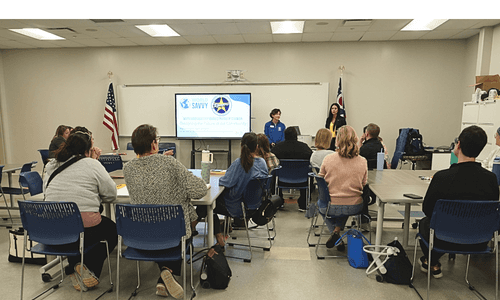
Across nine listening sessions, approximately 575 students, staff, parents, and community members shared their perspectives. Another 58 people contributed through a survey. Together, they generated more than 700 individual attributes describing their hopes for North Ridgeville students.
Students considered the skills and qualities they believed would matter for their own futures. Across their six-word stories, they returned to confidence, opportunity, leadership, perseverance, learning, and being prepared for change. One student captured that sense of possibility simply: “You can reach for the stars!”
Families brought their hopes for their children and perspectives on the world they are preparing to enter. Educators considered what students need from their learning experiences now. One North Ridgeville administrator called for learning that is more student-centered, experiential, and connected to real-world problem-solving, collaboration, creativity, and reflection. Her six-word story captured the connection between students and the community around them: “A child learns, the town grows.”
One parent shared the context powerfully: “The world is on track to be a place fraught with scarcity and conflict. Empathy, critical thinking, and problem-solving are paramount.”
Instead of asking people to buy into a vision already created, North Ridgeville invited them to help create it.
From those hundreds of ideas, a shared picture began to emerge.
North Ridgeville’s Profile of a Ranger describes students as:
Character-driven
Resilient thinkers
Self-aware learners
Real-world ready
Collaborative communicators
Purposeful citizens
Together, those characteristics describe young people who can persevere through challenges and adapt to change. They understand themselves and take ownership of their growth. They build meaningful relationships, work with others, communicate effectively, and apply what they learn to real situations. They pursue meaningful goals and understand that they have something to contribute.
The finished Profile of a Ranger captures the aspiration in a simple phrase: “Empowering students to design their preferred future.”
And the finished profile is not the end of that work.
The next question is how a shared vision becomes something students actually experience:
If Rangers are to become collaborative communicators, where will students have meaningful opportunities to work with others and build relationships?
If they are to become purposeful citizens, how will they experience what it means to contribute to their communities?
If they are to become resilient thinkers, where will they encounter challenges that ask them to adapt, reflect, and try again?
To become self-aware learners, how will they develop ownership of their learning and growth?
These questions turn a Profile of a Graduate from words on a page into a vision that can shape classrooms, relationships, learning experiences, and decisions across a school system.
North Ridgeville began with a question about the future: Who do we want our young people to become?
That is what belonging can look like in action. People are invited into the conversation, their perspectives help shape the vision, and students can see what their community hopes for them and the role they have in shaping what comes next.
Because belonging is not simply something we hope students will feel.
We can intentionally design it.