Why Capstones Need a Journey
Phase 1
Design the Capstone Experience
Building a strong foundation for real-world learning
Before students begin their work, educators need the time, tools, and clarity to design a capstone experience that is purposeful and sustainable.
World Savvy works alongside educators to co-design capstone experiences that:
Align with academic standards and district priorities
Connect to the Profile of a Graduate
Center meaningful inquiry and real-world issues
Include clear structures for research, reflection, and feedback
This phase ensures capstones are intentional, rigorous, and reusable, not one-off assignments.
Students Apply Learning in the Real World
Learning comes to life
With a strong foundation in place, students move beyond isolated assignments and begin applying their learning to real-world challenges.
Guided by educators, students:
Investigate issues they care about
Conduct research and analyze information
Collaborate with peers
Design and refine solutions
Throughout this phase, educators support students through coaching, feedback, and reflection, helping learning move beyond the classroom and into the world.
Phase 2
Phase 3
Share, Reflect, and Grow
Making learning visible and meaningful
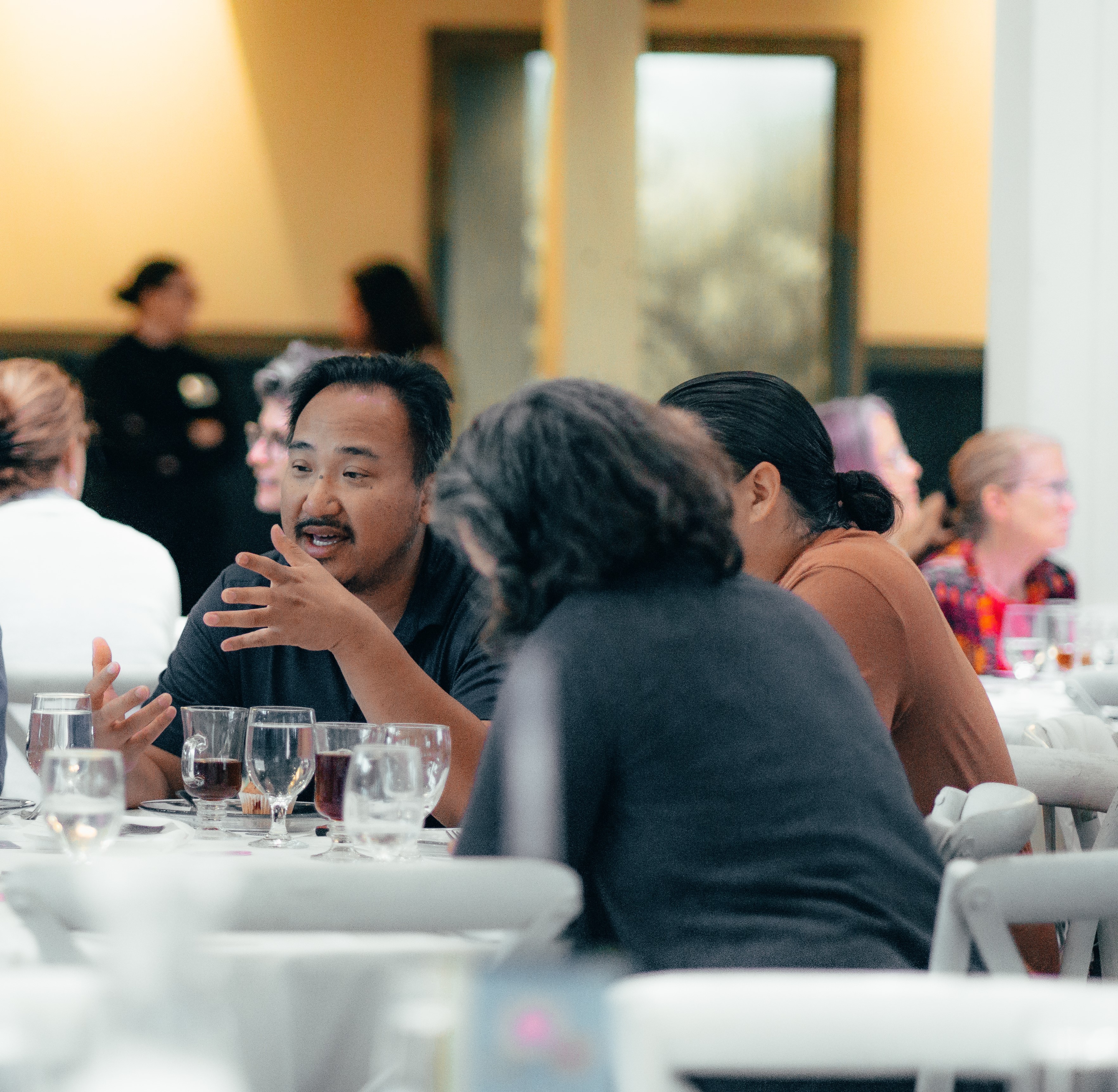
The Capstone Journey culminates in a public showcase where students share their work with families, educators, and community members.
Through reflection and feedback, students:
Articulate their learning and growth
Build confidence and agency
See their work as purposeful and valued
Who This Program Serves and Why It Matters
The Capstone Journey supports educators and schools in creating meaningful, applied learning experiences that prepare students for life beyond the classroom. Designed for teaching teams across middle and high school, the program helps schools move from isolated projects to sustained, real-world learning.
Through the Capstone Journey, schools increase student engagement and ownership of learning, build durable skills such as critical thinking and collaboration, and support educators with clear, sustainable structures. The program also aligns classroom learning with district goals and graduate profiles, strengthening connections between schools and the communities they serve.